
Why respiratory viral resilience matters
Respiratory viruses remain a recurring public-health challenge. The upper and lower airways are key immune interfaces because they are both entry points and active tissue environments.
TRIUMPH-NK studies whether tissue-resident NK-cell biology can help explain, and potentially support, durable respiratory immune resilience.
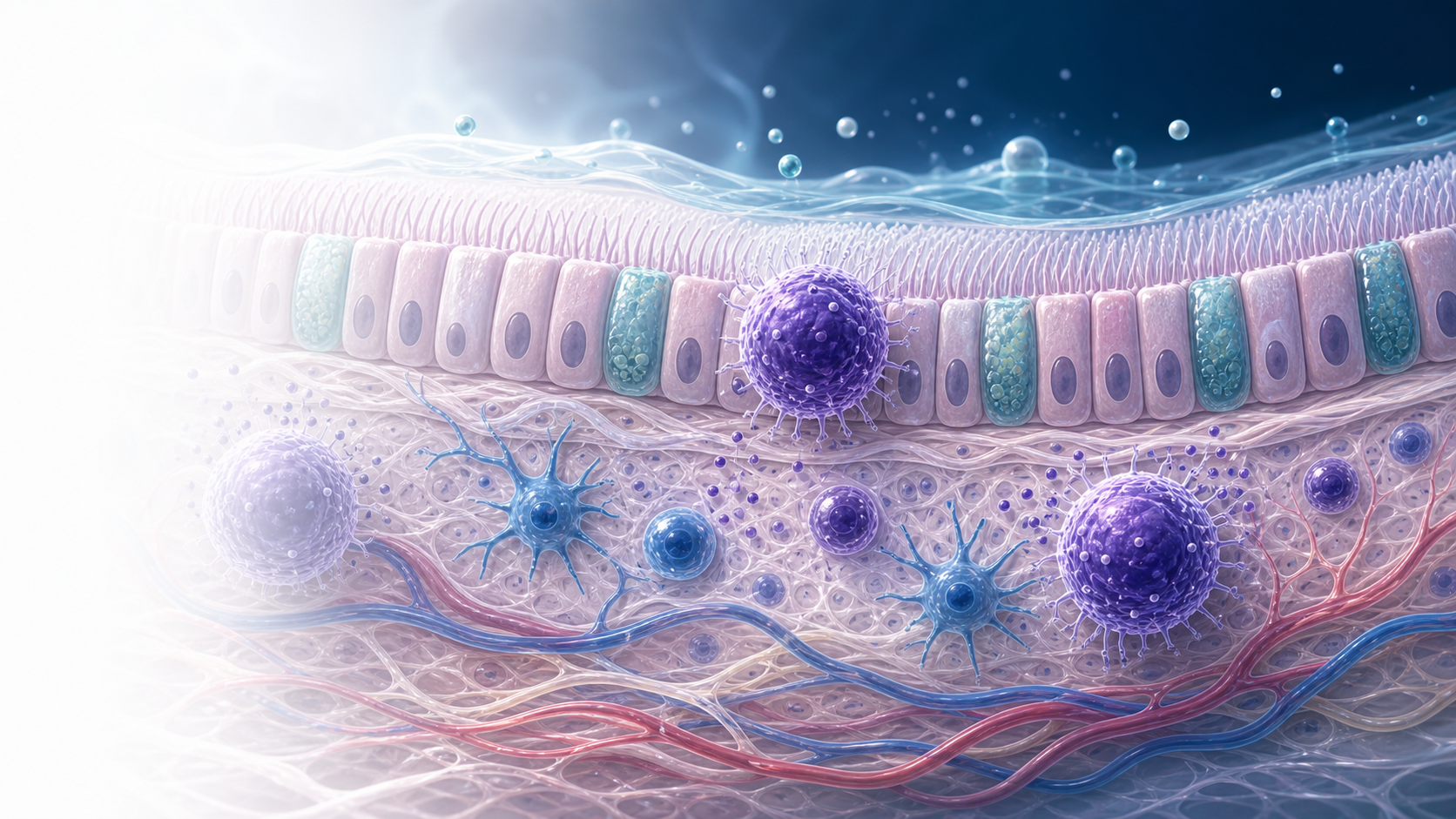
Respiratory viruses remain a recurring public-health challenge. The upper and lower airways are key immune interfaces because they are both entry points and active tissue environments.
Natural killer cells are fast-acting innate immune cells. TRIUMPH-NK focuses on how tissue positioning and memory-like immune states could contribute to broad respiratory resilience.
The project aims to define respiratory NK-cell states, understand the signals linked to durable tissue residency, and evaluate associations with resilience in relevant research models.
TRIUMPH-NK is part of ARIA's Sustained Viral Resilience portfolio. The canonical public ARIA project listing is linked throughout this site.
View the ARIA portfolioThis public timeline shows broad phases only. Internal month-by-month milestones, decision thresholds, budgets, and operational details are not published here.
Build the shared project infrastructure, assays, tissue model capacity, and analysis foundations.
Map tissue-resident NK-cell states and identify signals associated with durable immune programmes.
Study NK-cell behaviour in relevant lung and nasal tissue contexts at public-safe resolution.
Evaluate whether candidate immune states are associated with respiratory viral resilience while tracking safety-relevant signals.